Let me tell you something that took me way too long to figure out. High-ticket sales automation is all about building a system so tight that your closers only talk to people who are ready to buy. I learned this the hard way after burning through three SDR hires and watching qualified leads slip through the cracks coz nobody followed up on time.
Here’s the thing about selling $5K, $10K, or $50K+ deals in 2026. The journey from first touch to signed contract isn’t linear. It’s messy. People ghost. They come back three months later. They need seven touchpoints before they even remember your name. And if you’re manually chasing every prospect across LinkedIn, email, and WhatsApp? You’re not running a business. You’re running a circus.
Why Most High-Ticket Founders Are Stuck in Manual Hell
I talk to agency owners, consultants, and SaaS founders every week. The pattern is always the same. They have a great offer. They know who they want to sell to. But their sales process looks like this: send a few LinkedIn messages, forget to follow up, hire someone to help, watch them burn out, repeat.
The problem isn’t the outreach. The problem is there’s no system connecting the pieces. Your LinkedIn DMs live in one place. Your email sequences in another. WhatsApp? Forget it, that’s just you on your phone at 11pm trying to remember who said they’d get back to you after the holidays.
Premium deals require premium attention. But premium attention doesn’t scale unless you automate the boring stuff and let humans do what humans do best: close.
The High-Ticket Sales Journey: Touch to Close
Before we get into the mechanics, let me break down what a real high-ticket sales process looks like. Not the idealized version in marketing courses. The actual messy reality.
Stage 1: Attraction. Someone sees your content, gets a cold outreach message, or hears about you from a referral. They’re vaguely interested but skeptical. At this stage, you need to get their attention without sounding like every other person in their inbox.
Stage 2: Qualification. Not everyone who replies is a fit. Some people want your $50K service but have a $500 budget. Some are perfect but not ready to buy for six months. You need a way to sort this fast without wasting your closer’s time.
Stage 3: Nurturing. This is where most high-ticket deals die. The prospect isn’t ready today. But they might be ready in three weeks, three months, or when their current solution fails. Your job is to stay in their world without being annoying.
Stage 4: Conversion. They’re ready. Now you need them on a call with someone who can close. If your calendar is empty or your closer is chasing unqualified leads, you’ve wasted all that effort.
Every stage needs automation. But here’s what most people get wrong: they automate the wrong parts. They automate the outreach but manually handle the replies. They automate the first message but forget the follow-ups. They build email sequences but ignore LinkedIn and WhatsApp entirely.
Building a Multi-Channel Sequencing System That Actually Works
In 2026, your prospects aren’t living in just one channel. The decision-maker you’re trying to reach checks LinkedIn during work hours, ignores email unless it’s from someone they know, and responds fastest on WhatsApp when they’re on the move.
Here’s how I think about multi-channel outreach for high-ticket deals:
LinkedIn for initial connection and credibility. When someone accepts your connection request and sees you’ve got content, mutual connections, and a real profile, trust goes up instantly. LinkedIn is where you start the relationship.
Email for detailed follow-ups and content delivery. Once they know who you are, email lets you go deeper. Case studies, pricing breakdowns, longer explanations. Stuff that would be weird in a DM.
WhatsApp for speed and personal touch. When someone’s close to buying, WhatsApp cuts through the noise. It feels personal. It’s immediate. And for high-ticket deals, that direct line matters.
The magic happens when these channels work together. Someone connects on LinkedIn, gets a DM, receives a follow-up email with a case study, then gets a WhatsApp message when they’ve shown buying signals. That’s not spam. That’s sophisticated selling.
How SBL.so Runs Outbound and Nurture So Closers Only Handle Qualified Calls
Let me be specific about what this looks like in practice. I’ve tested dozens of tools over the years. Most of them are glorified schedulers. You set up a sequence, it sends messages at intervals, and that’s it. When someone replies? You’re back to manual mode.
What makes high-ticket sales automation actually work is when the system handles conversations, not just broadcasts. I’m talking about AI that can chat with your prospects, ask qualifying questions, handle objections, and only escalate to a human when someone’s genuinely ready to buy.
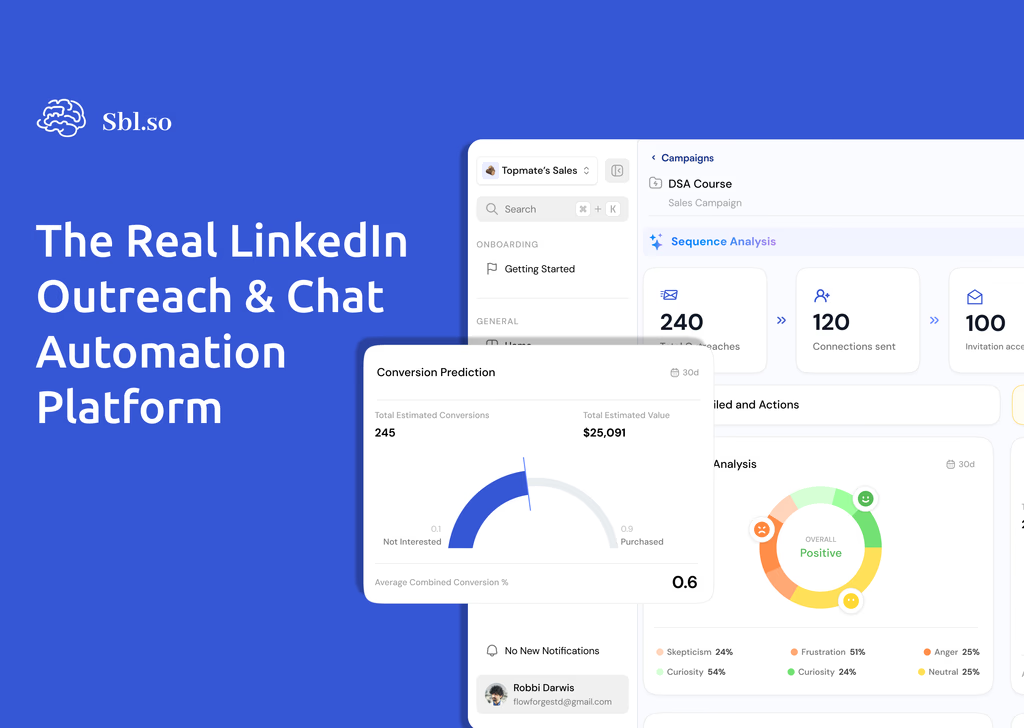
SBL.so is the only platform I’ve seen that does this properly. Most tools stop at sending the first message. SBL takes over the entire conversation. When someone replies with a question, the AI responds. When they raise an objection, it handles it. When they show buying intent, it books the call.
Your closer’s calendar fills up with qualified prospects who’ve already been warmed up, had their questions answered, and are ready to talk numbers. That’s the dream, right?
Lead Qualification Frameworks for Premium Deals
Not all leads are created equal. For high-ticket offers, this is painfully obvious. Someone who books a call expecting free advice is not the same as someone who’s actively looking to invest $20K in a solution.
Here’s the qualification framework I use:
Budget Signals: Can they actually afford what you’re selling? This isn’t always direct. Sometimes it’s about their company size, their role, or the problems they mention. If someone’s complaining about a $500 tool not working, they might not be ready for your $10K service.
Authority Check: Are you talking to the decision-maker? In B2B high-ticket sales, this is crucial. The person who loves your pitch might need to convince three other people before anything happens. Know this early.
Timeline Reality: When do they need this solved? Someone with a burning problem today is worth ten people who might think about it next quarter. Your nurturing approach changes completely based on timeline.
Fit Assessment: Even if they have budget, authority, and urgency, are they actually a good fit? Some clients will make your life hell. Better to qualify them out early than deal with the headache later.
The beauty of AI-powered qualification is it can ask these questions naturally in conversation. Not like a robotic survey. More like a good SDR who knows how to uncover information without making it feel like an interrogation.
For a deeper dive into aligning your qualification criteria, check out this guide on MQLs vs SQLs.
Smart Follow-Ups That Keep Prospects Engaged and Get Replies
Here’s a stat that still blows my mind: 80% of sales require five or more follow-ups, but 44% of salespeople give up after one. For high-ticket deals, this gap is even worse. People need time to think. They need to build trust. They need to see you’re still there when they’re ready.
But most follow-up sequences are terrible. They’re either too aggressive (“Just checking in!” three days after the last message) or too passive (one email then nothing for a month).
Smart follow-ups for premium deals look different:
- Value-first messaging: Every touchpoint should add something. A relevant article. A case study. An insight about their industry. Not just “following up on my previous message.”
- Channel switching: If they’re not responding on LinkedIn, try email. If email’s dead, try WhatsApp. Different channels work for different people at different times.
- Timing intelligence: Send messages when they’re online. Follow up after they’ve viewed your profile or opened an email. Context matters.
- Personalization at scale: Reference something specific about them. Their recent post. Their company news. Something that shows you’re paying attention.
With AI sales automation, these follow-ups can happen automatically. The system tracks engagement, adjusts timing, and personalizes messages based on what’s working. You’re not manually checking who opened what and deciding when to ping them next.
Content and Calls: The Nurturing Mix for High-Ticket
Nurturing isn’t just about messages. For premium deals, you need to build a world around your prospect. Content they see. Calls they take. Touchpoints that reinforce why you’re the right choice.
Content nurturing: This isn’t about blasting your newsletter. It’s about strategically sharing content that addresses their specific situation. If they mentioned concerns about implementation, send them your implementation case study. If they’re worried about ROI, share the numbers from a similar client.
AI check-ins: In 2026, AI can handle nurturing calls and check-ins that would’ve required a human before. Not closing calls, but temperature checks. “Hey, wanted to see if you had any questions about what we discussed.” These keep the relationship warm without burning out your team.
Event-based triggers: When your prospect gets promoted, raises funding, or posts about a problem you solve, that’s your cue. Automated systems can flag these moments so you can reach out at exactly the right time.
The goal is to stay in their orbit until they’re ready. And when they are, you’re the obvious choice coz you’ve been adding value the whole time.
Getting to Fully Booked: The Closer Calendar Reality
Let’s talk about the end goal: a closer calendar that’s consistently full of qualified prospects. This is what separates struggling high-ticket businesses from thriving ones.
Here’s what needs to happen:
Volume at the top: You need enough outreach to generate a steady flow of interested prospects. For most high-ticket offers, this means hundreds of conversations happening simultaneously across channels. Try doing that manually.
Qualification in the middle: Most of those conversations won’t be qualified. The system needs to sort them fast. AI can handle 90% of this qualification through natural conversation, only escalating real opportunities.
Conversion at the bottom: Qualified prospects need to be moved to calls quickly. Every day of delay reduces conversion rates. Automated booking, reminder sequences, and show-up optimization all matter here.
If you’re using AI SDR tools properly, your closer never touches a lead until they’re qualified and booked. They show up, do what they’re great at, and close deals. The entire machine before that runs itself.
The Personalization vs Scale Problem (And How to Solve It)
Here’s the tension everyone faces: high-ticket buyers expect personalization. They can smell a template from a mile away. But you can’t personally write a unique message for thousands of prospects. The math doesn’t work.
The solution isn’t choosing between personalization and scale. It’s building systems that do both.
Dynamic personalization: Modern AI doesn’t just insert {First_Name}. It references their recent activity, their company situation, their stated goals. It creates messages that feel personal coz they are personal, just generated at scale.
Conversational AI: When someone replies, the AI can respond in a way that acknowledges what they said. Not generic follow-ups. Actual responses to their questions and objections. This is where most automation tools completely fail.
Human takeover at key moments: The system knows when to bring in a human. For high-ticket deals, certain conversations need your founder or closer personally. The AI handles everything else.
With SBL.so, you can even send voice messages that sound like you. Record a 30-second sample, and the system generates personalized voice notes at scale. Try that with any other tool.
The Persuasion Layer: Why Most Automation Fails at Closing
Automation without persuasion is just spam at scale. For high-ticket sales, you need messaging that moves people emotionally, not just intellectually.
This means understanding:
Pain points that keep them up at night: Generic benefits don’t sell premium offers. Specific problems do. “Grow your business” is weak. “Stop losing $50K deals coz your follow-up process is broken” hits different.
Objection handling: Every high-ticket buyer has objections. Price. Timing. Trust. Your system needs to address these proactively, not wait for them to come up.
Social proof that matches: Case studies from similar companies, similar sizes, similar problems. Generic testimonials don’t move the needle on premium purchases.
Urgency that’s real: Fake scarcity is obvious and annoying. Real urgency, like limited availability or upcoming price changes, drives action.
The best AI sales funnel automation builds these elements into every touchpoint. Not just the first message, but the entire conversation arc from stranger to customer.
WhatsApp in High-Ticket Sales: The Underutilized Channel
Most B2B sellers ignore WhatsApp. Big mistake. For high-ticket deals, especially with founders and executives, WhatsApp is often the fastest path to a response.
Here’s how to use it:
Not for cold outreach: Don’t send cold WhatsApp messages to people you’ve never talked to. That’s invasive and will get you blocked.
For warm follow-ups: Once someone’s engaged on LinkedIn or email, WhatsApp becomes a great next channel. “Hey, saw you checked out the case study. Any questions I can answer?”
For speed-to-close: When someone’s ready to buy, WhatsApp cuts through the noise. They’re more likely to see your message immediately and respond.
For relationship maintenance: Quick check-ins, sharing relevant content, staying top of mind. WhatsApp makes this feel personal rather than corporate.
The trick is integrating WhatsApp into your larger sequence, not using it in isolation. Check out the pros and cons of WhatsApp sales automation to understand when it makes sense for your business.
Building Your System: A Practical Breakdown
Alright, let me get specific. Here’s how to actually build a high-ticket sales automation system that works:
Step 1: Define your ideal customer profile. Get specific. Industry, company size, role, problems they have, buying triggers. The more precise, the better your targeting.
Step 2: Build your lead source. For LinkedIn, this might be Sales Navigator searches or engagement with specific content. For email, purchased lists or inbound leads. Don’t mix bad leads into a good system.
Step 3: Create your multi-channel sequence. Map out the journey. LinkedIn connection, first message, follow-up if no response, email touchpoint, second LinkedIn message, WhatsApp for engaged prospects, etc. Each touchpoint should have a purpose.
Step 4: Write messaging for each stage. First touch is about curiosity. Follow-ups add value. Later messages create urgency. This isn’t one message repeated, it’s a progression.
Step 5: Set up qualification criteria. What questions does your AI need to ask? What answers qualify someone for a call? Build this into your system.
Step 6: Configure booking automation. When someone’s qualified, how do they get on your calendar? Make this frictionless. Every extra step loses conversions.
Step 7: Test and iterate. Run the system, watch the conversations, identify where people drop off. High-ticket automation requires constant refinement.
For teams looking to scale this without massive overhead, sales automation for small teams offers some practical approaches.
The Metrics That Actually Matter
Vanity metrics will kill your high-ticket sales process. “We sent 10,000 messages!” Meaningless if none of them converted.
Here’s what to track:
- Connection/acceptance rate: Are your initial touches resonating? Below 30% on LinkedIn means your targeting or messaging needs work.
- Reply rate: Of people who receive messages, how many respond? Industry benchmarks vary, but under 10% is a red flag.
- Qualification rate: Of replies, how many are actually qualified prospects? If most conversations are with wrong-fit people, adjust your targeting.
- Call booking rate: Of qualified prospects, how many book calls? If this is low, your call-to-action or booking process needs attention.
- Show rate: Of booked calls, how many actually show up? Below 70% means your confirmation and reminder process is broken.
- Close rate: Of calls taken, how many become customers? This tells you about your closer’s skill and lead quality.
Work backwards from your revenue goal. If you need 10 new customers per month, and your close rate is 25%, you need 40 qualified calls. If your call booking rate is 50%, you need 80 qualified prospects. If your qualification rate is 20%, you need 400 conversations. Plan your outreach volume accordingly.
Common Mistakes That Kill High-Ticket Sales Automation
I’ve made all of these. Save yourself the pain:
Going too aggressive too fast: High-ticket buyers need time. Pushing for a call in the first message rarely works. Build the relationship first.
Ignoring channel limits: LinkedIn has connection limits. Email has deliverability constraints. Push too hard and you get banned or land in spam. Respect the platforms.
Treating all leads the same: A VP at a Fortune 500 needs different messaging than a startup founder. Segment and personalize accordingly.
Forgetting the human element: Automation should enhance human selling, not replace it. At some point, your closer needs to take over. Know when that is.
No follow-up system: Most deals don’t close on the first conversation. If you’re not following up systematically, you’re leaving money on the table.
Scaling before validating: Don’t automate a broken process. Get your messaging working manually first, then scale it.
The Future of High-Ticket Sales Automation
Here’s where things are heading. AI agents are getting better at real conversations. Not just scripted responses, but actual intelligent dialogue that adapts to what the prospect says.
In 2026, we’re seeing AI that can:
- Handle complex objections with nuanced responses
- Qualify prospects through natural conversation
- Personalize based on real-time research about the prospect
- Coordinate across channels seamlessly
- Book calls and send reminders without human intervention
The companies that figure this out will have a massive advantage. They’ll be running thousands of high-quality conversations simultaneously while their competitors are still manually sending LinkedIn messages one by one.
SBL.so is at the forefront of this. It’s the only tool I’ve seen that actually handles the conversation part, not just the sending. When a prospect replies, the AI can chat, qualify, handle objections, and book the call. That’s the future of LinkedIn automation for high-ticket sales.
Making This Work for Your Business
Look, I know this is a lot. Building a real high-ticket sales automation system isn’t a weekend project. It takes time to get the messaging right, the targeting dialed in, the qualification criteria refined.
But the alternative is worse. Manual outreach doesn’t scale. Hiring more SDRs is expensive and unpredictable. And doing nothing means watching competitors who figure this out eat your lunch.
Start small. Get one channel working first. Then add the next. Build the system piece by piece until your closer’s calendar is full of people who are ready to buy.
That’s how you build a premium deal machine that runs without you. And honestly? That’s the whole point of being in business. Not to be stuck in your inbox chasing leads. But to have a system that attracts, nurtures, and closes while you focus on what actually moves the needle.
Now go build it.