If you’ve been using Jeeva AI for sales automation and you’re thinking there has to be something better out there, you’re probably right. I spent the last few months testing pretty much every AI sales tool that claims to compete with Jeeva, and let me tell you, the gap between what these platforms promise and what they actually deliver is wild. By the end of this post, you’ll know exactly which Jeeva AI alternatives are worth your time in 2026 and which ones are just dressed-up sequence builders with an AI badge slapped on.
Why People Are Looking for Jeeva AI Alternatives
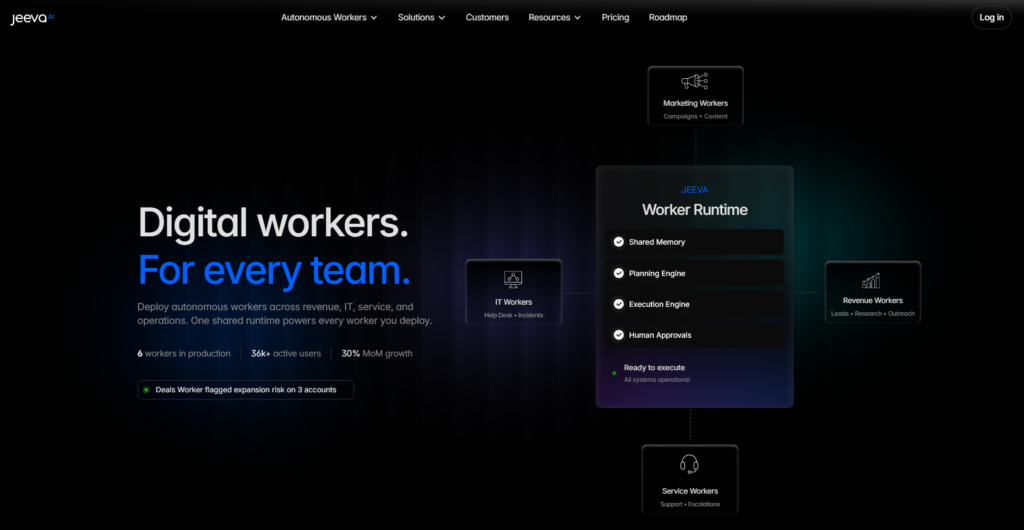
Jeeva AI does a decent job at multi-agent lead generation and basic outreach automation. I’m not going to trash it completely coz it works for certain use cases. But here’s the thing: most sales teams hit a wall pretty fast.
The enrichment is solid. The free tier is nice for testing. But when you actually need to scale conversations, handle replies, and book calls without hiring an army of SDRs, Jeeva starts to feel… limited. You’re still doing most of the heavy lifting manually.
And that’s the problem with most AI sales automation tools right now. They automate the easy part (sending messages) and leave you hanging when prospects actually respond.
What Actually Matters in an AI Sales Tool
Before I dive into the list, let me be clear about what I was looking for when ranking these Jeeva AI alternatives:
- Real AI chat automation: Does it actually respond to prospects or just send templates?
- Lead quality: Can it find high-intent leads or just scrape databases?
- Multi-channel support: LinkedIn, email, WhatsApp, or just one channel?
- Scalability: Can it handle thousands of conversations without getting accounts banned?
- Pricing: Does the value justify the cost for small teams and agencies?
With that framework in mind, here are the 10 best alternatives to Jeeva AI in 2026.
1. SBL.so
I’m putting SBL.so at the top coz it’s genuinely different from everything else on this list. While Jeeva and most other tools stop at sending automated sequences, SBL actually handles the entire conversation.
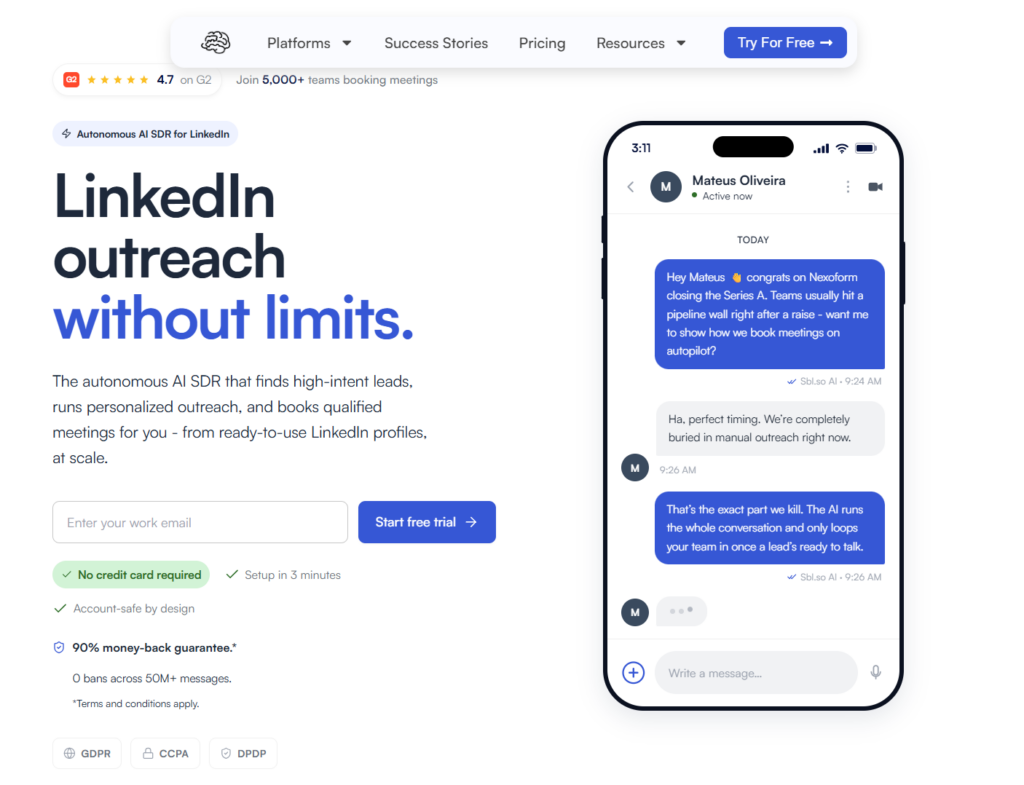
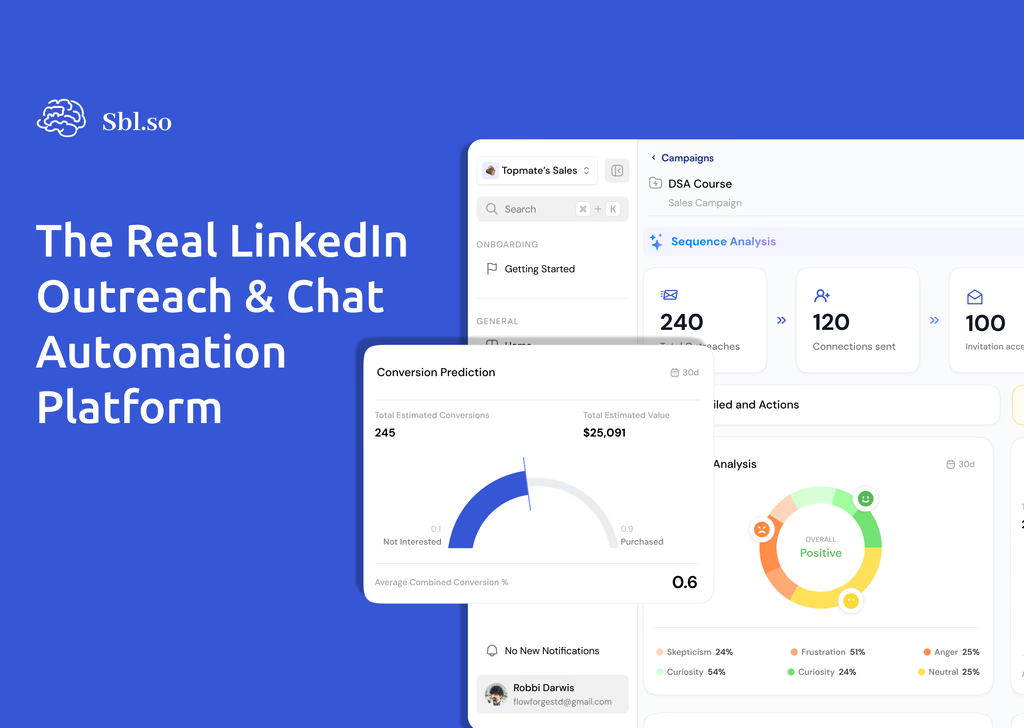
Here’s what I mean. You set up a campaign, define your ICP, and launch. When prospects reply, SBL’s AI takes over the chat. It handles objections, asks qualifying questions, and pushes toward booking a call. You can monitor everything from a unified inbox and jump in whenever you want, but you don’t have to.
The system was trained on how real salespeople talk. Not just what they say, but how they handle pushback, when to follow up, and how to close. I tested it on about 15 campaigns and the reply quality was actually surprising. It doesn’t feel like a bot.
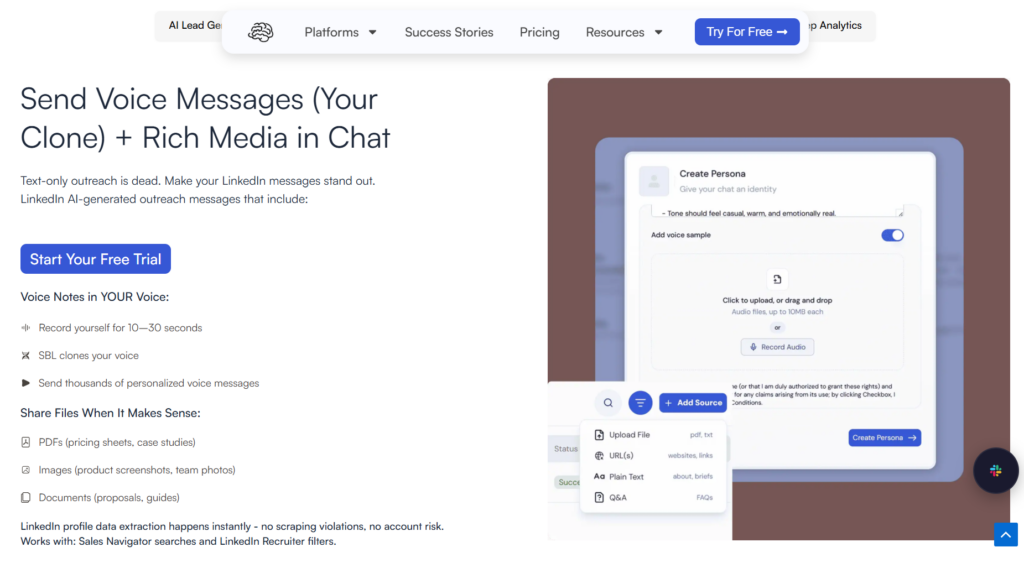
SBL also does something wild: you can clone your voice and send personalized voice notes at scale. Upload a 30-second sample and it creates thousands of audio messages that sound like you. That’s a massive engagement hack most tools don’t even attempt.
Other features worth mentioning:
- Lead generation agent that finds prospects matching your ICP
- Supports LinkedIn and WhatsApp (email coming soon)
- Fractional SDR network if you need more sender profiles
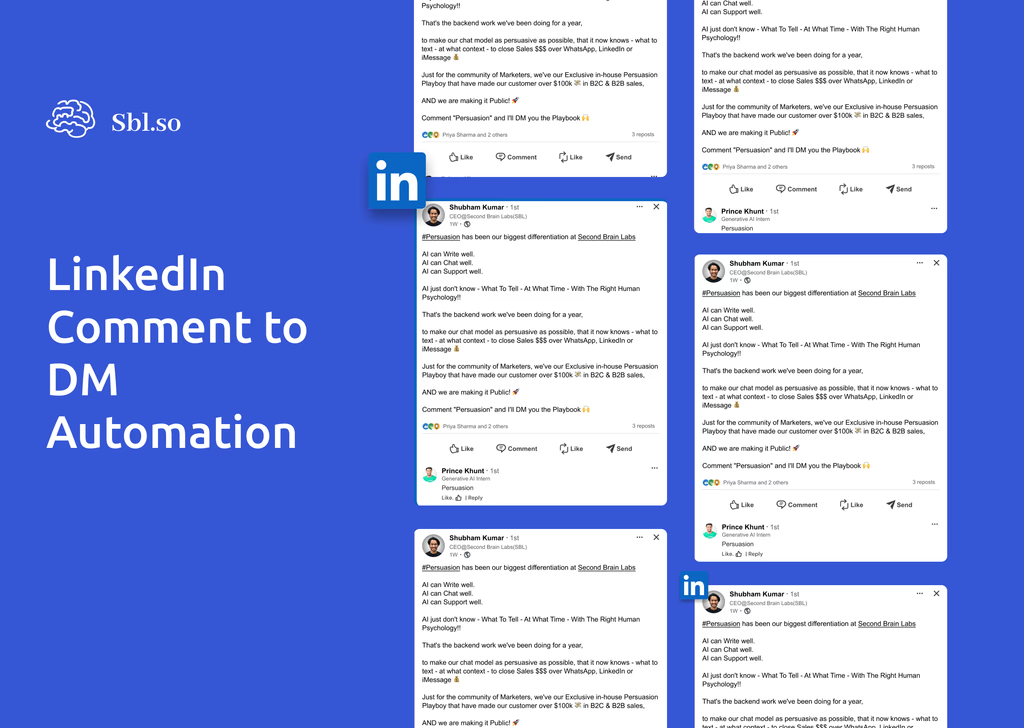
- Comment to DM automation for content-led lead gen
- Real-time signals for high-intent leads based on funding, hiring, etc.
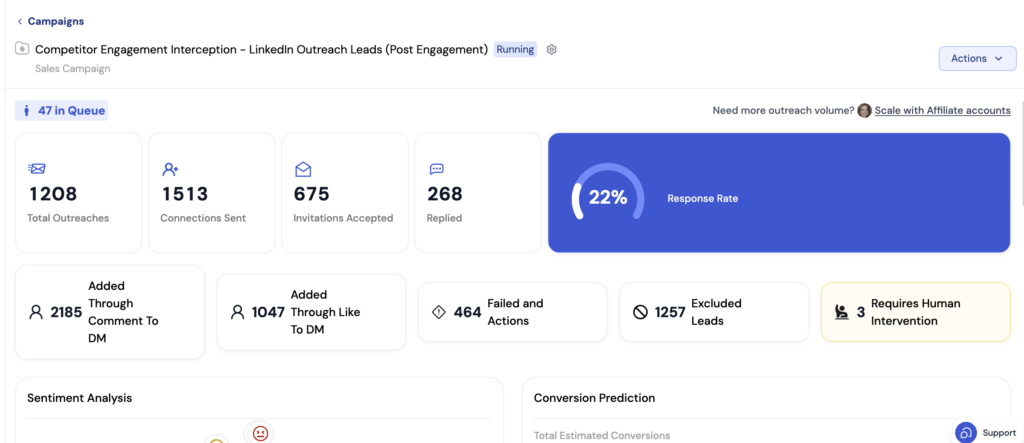
Pricing starts at $99/month after a 7-day free trial. For what you get, that’s honestly cheap compared to hiring even one part-time SDR.
2. Apollo.io

Apollo is the go-to for most B2B sales teams who want a massive contact database with built-in sequencing. It’s been around for years and they’ve added some decent AI features recently.
The database is huge. We’re talking 200M+ contacts with buyer intent signals, enrichment, and multi-channel outreach (email, calls, LinkedIn). The free tier is generous enough to test the waters.
But here’s the catch: Apollo is still a sequence tool at its core. You write the messages, you set the conditions, you manage the replies. The AI helps with suggestions and A/B testing, but it’s not having conversations for you.
If you need a solid B2B data enrichment tool with sequencing, Apollo is a safe choice. Just know you’re still doing the manual work when prospects engage.
3. Clay
Clay is for the workflow nerds. If you love building custom automations with 100+ API integrations, Clay is going to feel like a playground.
It’s not a traditional outreach tool. It’s more like a sales automation operating system. You can build crazy lead enrichment pipelines, personalize at scale using AI, and connect everything to your CRM.
The downside? Learning curve is steep. And pricing starts at $149/user/month, which adds up fast for teams. But if you want maximum flexibility and you’re comfortable with API-driven workflows, Clay delivers.
I’d say Clay competes more with custom AI sales funnel automation setups than with Jeeva directly. Different use case, but worth mentioning for power users.
4. Cognism
If GDPR compliance is keeping you up at night, Cognism is probably your safest bet. They’ve built their entire platform around compliant B2B data with phone-verified contacts and AI intent signals.
Cognism is particularly strong for EMEA sales teams where data regulations are strict. The enrichment quality is high, and their intent data actually helps you prioritize who to reach out to.
The pricing is enterprise-level, which rules it out for smaller teams. But if you’re selling into Europe and need clean data, it’s a solid Jeeva AI alternative for prospecting.
5. ZoomInfo
ZoomInfo is the heavyweight in B2B sales intelligence. 300M+ profiles, org charts, scoops (company news that indicates buying intent), and predictive analytics. It’s the database that everyone else is trying to replicate.
Their AI features have improved a lot recently. You can automate sales intelligence workflows and orchestrate outreach based on intent signals. The data quality is hard to beat.
But ZoomInfo is expensive. Like, really expensive for small teams. And similar to Apollo, it’s still a data and sequence tool. You’re not getting AI that actually holds conversations.
If budget isn’t a constraint and you need the best data, ZoomInfo delivers. Otherwise, there are cheaper alternatives that get you 80% of the way there.
6. lemlist
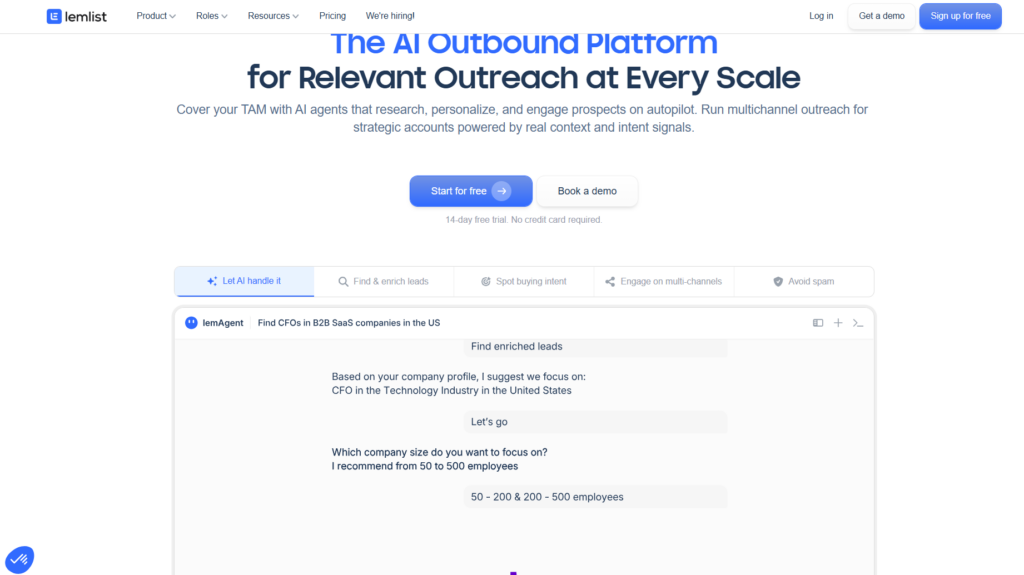
lemlist made a name for itself with image personalization in cold emails. You can dynamically insert custom images into outreach (like screenshots with the prospect’s name) and it actually works for getting replies.
They’ve expanded to multichannel now (email plus LinkedIn) and the AI features help with email warm-up, A/B testing, and reply optimization. Pricing starts at $59/month which is reasonable.
The limitation is that lemlist is still primarily an email tool. If you’re focused on LinkedIn outreach or need chat automation, it’s not going to cut it. But for cold email campaigns with high personalization, it’s one of the better cold email outreach options.
7. HubSpot AI
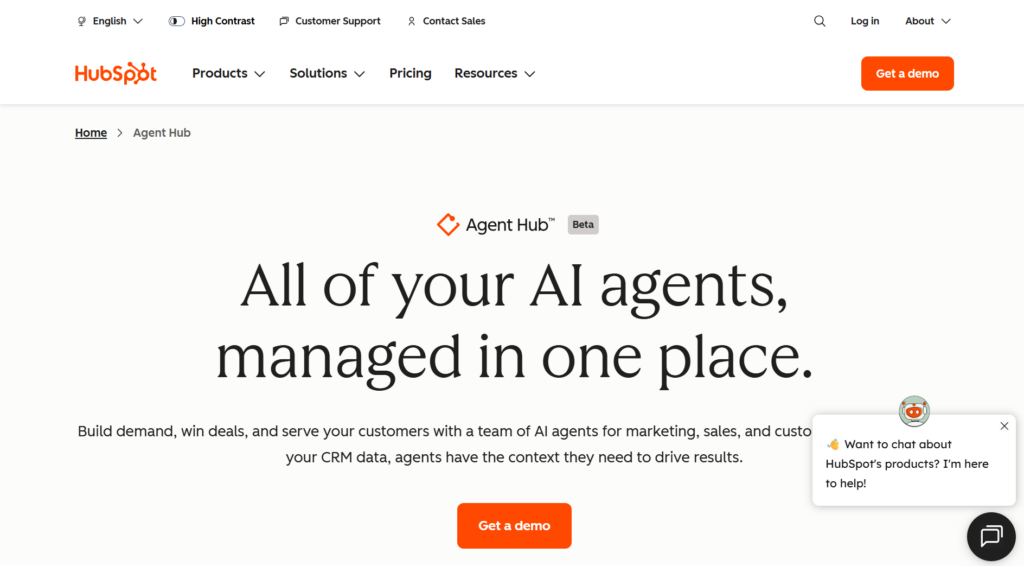
HubSpot added AI features across their CRM and they’re actually pretty good. Predictive lead scoring, content generation, email personalization, the works.
The free CRM tier is solid for getting started, and the AI upsells add real value if you’re already in the HubSpot ecosystem. It’s particularly good for inbound sales automation where leads are coming to you.
For outbound, HubSpot is more limited. You can run sequences but the AI isn’t handling conversations. It’s best used alongside other outreach tools rather than as a standalone Jeeva AI alternative.
8. Salesloft
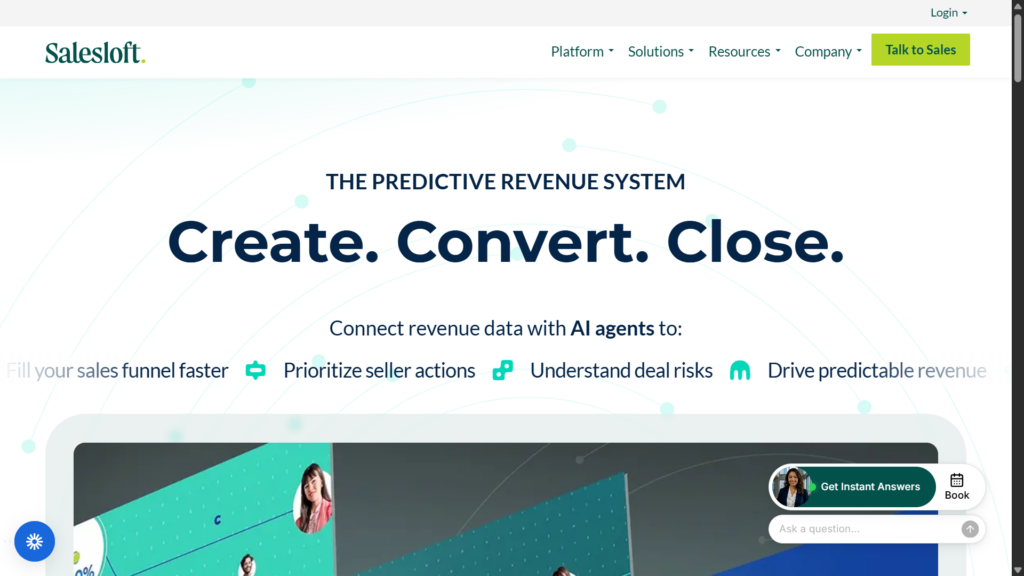
Salesloft is a revenue orchestration platform that’s been adding AI features aggressively. Deal insights, call coaching, cadence automation, it covers the full sales engagement spectrum.
Their AI call coaching is actually useful. It analyzes your sales calls and gives feedback on what’s working and what isn’t. The cadence automation is solid too.
Salesloft is enterprise-focused and priced accordingly. If you have a large sales team and need a comprehensive platform for managing the entire sales process, it’s worth evaluating. For smaller teams or founders doing their own outreach, it’s probably overkill.
9. Lavender
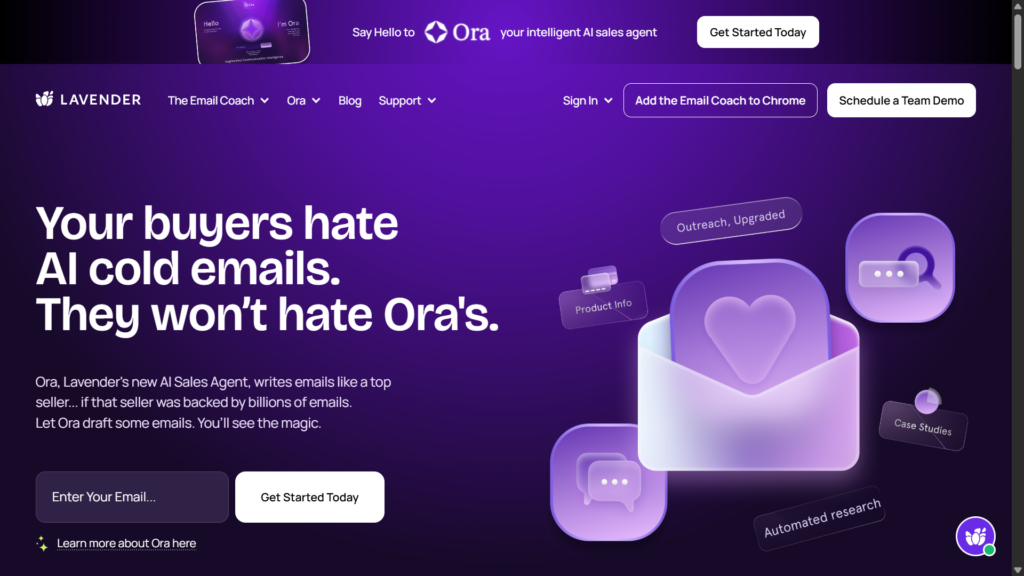
Lavender is an AI email coach that scores your emails in real-time for tone, clarity, and reply potential. It integrates with Gmail and Outlook and gives you suggestions as you write.
At $29/user/month, it’s affordable and genuinely helpful for improving email quality. I’ve seen reply rates go up just from following Lavender’s suggestions consistently.
It’s not an outreach automation tool though. You’re still writing and sending emails manually. Think of it as a writing assistant that makes your outbound better, not a replacement for Jeeva’s automation features.
10. Outreach
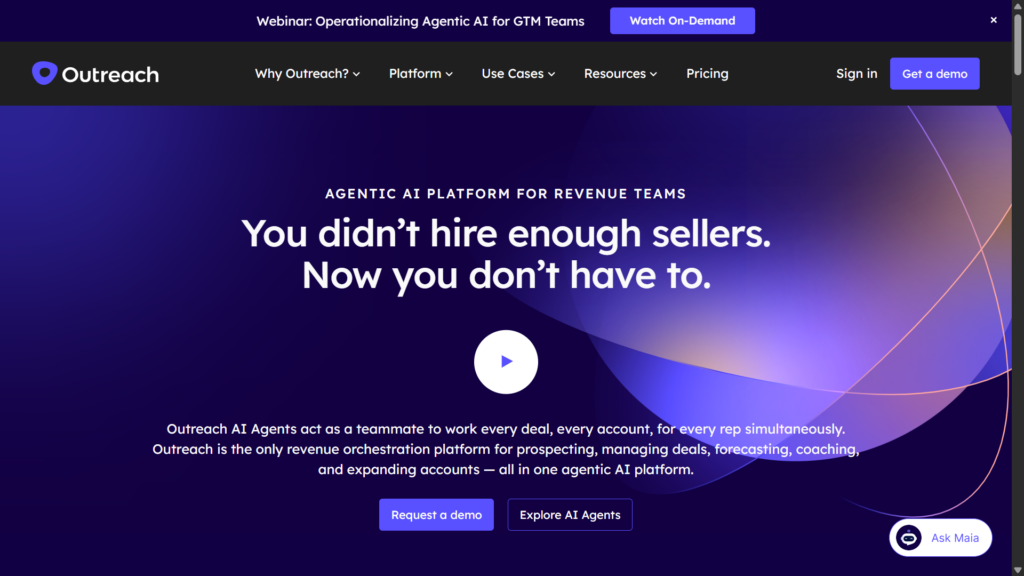
Outreach (formerly Outreach.io) is another major player in sales engagement. Similar to Salesloft, it focuses on sequence automation, analytics, and sales coaching.
They’ve invested heavily in AI for pipeline management and forecasting. The platform is robust and handles complex sales workflows well.
Again, enterprise pricing and enterprise complexity. If you’re a large org looking for a comprehensive solution, Outreach competes at the top tier. For teams looking for a simple Jeeva AI alternative to just book more calls, it’s probably more than you need.
Which Jeeva AI Alternative Should You Choose?
Let me break this down based on what you’re actually trying to accomplish:
If you want real AI that handles conversations and books calls: SBL.so is the only tool on this list that actually automates the back-and-forth chat. Everyone else stops at sending messages.
If you need a massive B2B database with sequences: Apollo.io or ZoomInfo depending on budget.
If you’re building custom sales workflows: Clay for maximum flexibility.
If GDPR compliance is critical: Cognism for clean, compliant data.
If you’re focused on cold email personalization: lemlist for image personalization and email-specific features.
If you already use HubSpot: Their AI features are worth exploring before adding another tool.
Common Questions About Jeeva AI Alternatives
What’s the best free alternative to Jeeva AI?
HubSpot’s free CRM tier offers basic AI features. Apollo.io has a generous free plan for contact searches. But for real AI sales automation, free tiers are limited everywhere. You’ll need to pay for meaningful features.
Can any tool actually replace human SDRs?
This is the question everyone asks. Most tools can’t. They automate parts of the process but you still need humans for conversations. SBL.so is the closest I’ve seen to actually replacing SDR labor for the chat and follow-up portion. It’s not perfect but it handles 80% of conversations without intervention.
Is Jeeva AI still worth using?
For basic lead enrichment and initial outreach, sure. Their multi-agent approach is interesting. But if you’re hitting limits on conversation handling and scaling, the alternatives above offer more.
How much should I expect to pay for good AI sales automation?
Entry-level tools start around $50-100/month. Mid-tier platforms like SBL.so or Apollo run $100-200/month. Enterprise solutions like ZoomInfo or Salesloft can run thousands per month. Match the tool to your stage and budget.
Which tools work best for LinkedIn outreach specifically?
For LinkedIn automation, SBL.so is the strongest option for AI chat automation. lemlist and Apollo offer LinkedIn as a channel but with more limited functionality. Pure LinkedIn plays like Expandi or Dripify exist but don’t have the AI conversation capabilities.
What I’d Actually Recommend
Look, I’ve tested dozens of these tools over the years. Most of them do roughly the same thing with different UIs and pricing. The real question is whether you want to keep manually managing conversations or whether you want AI that actually handles the selling.
If you’re okay with sequences and manual reply management, Apollo or Clay will serve you well. Good data, solid workflows, fair pricing.
If you want to actually automate the hard part (having conversations that convert), SBL.so is where I’d start. It’s the only platform I’ve used where I could set up a campaign and come back to booked calls without babysitting every chat.
Whatever you choose, the key is matching the tool to how you actually sell. Don’t pay for enterprise features you won’t use. Don’t settle for basic sequences if your bottleneck is conversation management. And definitely don’t believe any tool that claims to be AI when all it does is send scheduled messages.
The sales automation space is evolving fast. What worked in 2024 is table stakes now. The winners in 2026 are tools that handle the full conversation loop, not just the first touch. Pick accordingly.